
Analysis
Why Democrats Won the 2026 Midterms and What It Means for Armenia
Economic frustration and a demand for stronger checks on the president helped Democrats retake Congress. For Armenia, the first tests will be U.S. spending decisions and oversight of regional commitments.
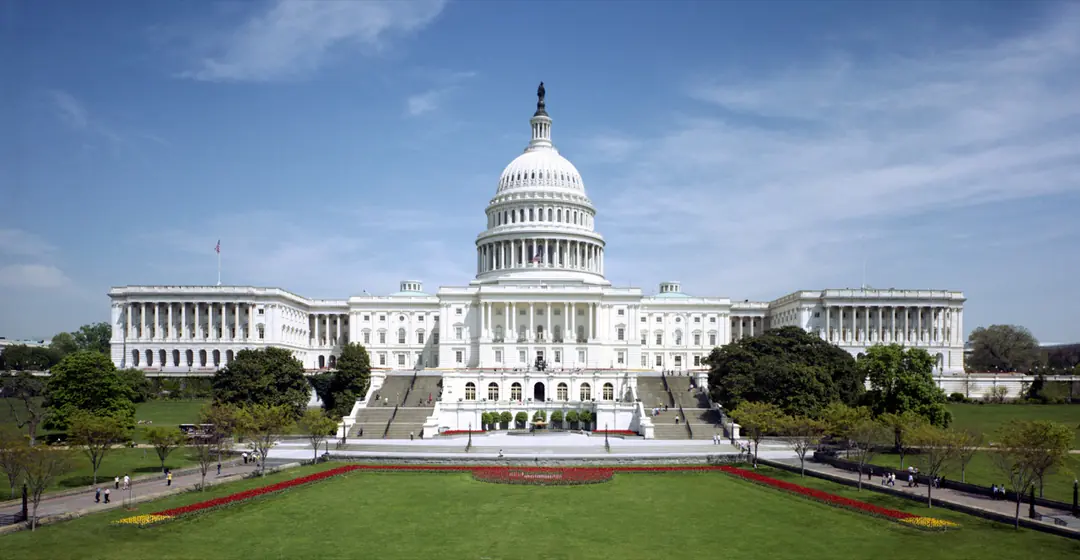
The November 3 midterms ended Republican control of Congress. The Associated Press called the Senate for Democrats on election night and the House early the next morning. Its last Senate call, Mary Peltola’s victory in Alaska, put the incoming Democratic majority at 56–44. Democrats flipped nine Republican-held Senate seats, their largest midterm gain in the chamber since 1958.[1][2]
The result gives Democrats control of the two chambers when the new Congress convenes in January. President Donald Trump will remain in office. For Armenia, questions about U.S. assistance, regional transport and relations with Azerbaijan will now be debated under divided government. The fastest way to assess the effect is to follow budget decisions and oversight alongside diplomatic announcements.[1][3]
Affordability and checks on the president
The cost of living gave Democrats an opening across income and age groups. In the AP Voter Poll, about six in ten voters from households earning under $50,000 said living costs were crucial to their vote. More than half of voters in that income group backed a Democratic House candidate, compared with a roughly even split in the 2024 presidential race. Conditions voters experienced at home gave the party’s economic message a receptive audience.[4]
Moderates also gave Democrats wider support. Roughly two-thirds backed a Democratic House candidate, and about eight in ten said Congress was doing too little to check the president. Around seven in ten voters under 30 backed Democratic House candidates. Younger voters made up only about one in ten members of the electorate, so their swing helps explain the result alongside shifts among other groups.[4]
These comparisons draw on voter surveys in a presidential election and a midterm, with different candidates and electorates. They show where support moved. Separating the effect of turnout from changes in individual voters’ preferences would require other evidence. The clearest reading is that economic frustration and support for congressional checks overlapped in a coalition broad enough to win both chambers.[4][1]
Texas and Alaska show how the swing travelled
| State | 2024 presidential vote | 2026 Senate vote |
|---|---|---|
| Texas [5][6] | 56.1% / 42.5% | 43.0% / 55.1% |
| Alaska [7][8] | 54.5% / 41.4% | 45.8% / 50.1% |
In Texas, James Talarico defeated Ken Paxton by about twelve percentage points in the November 4 count snapshot. Trump had carried Texas by nearly fourteen points two years earlier. Talarico ran on household costs and government ethics. The AP Voter Poll found roughly six in ten Hispanic voters in the Texas Senate race supported him, a group that had been more closely divided in the 2024 presidential contest.[6][5][9][10][4]
In Alaska, Peltola ran on prices residents encounter directly, including the cost of home heating and freight. She had already drawn a larger share of first-choice votes in her 2024 House race than Kamala Harris did in Alaska’s presidential contest on the same ballot. When AP called the 2026 Senate race, Peltola was just above 50% of first choices and led Republican incumbent Dan Sullivan by about four points. The Texas and Alaska results are consistent with a national shift amplified by candidates who gave the affordability issue a local meaning.[7][11][12]
A new congressional agenda under divided government
Democratic control gives the party the committee chairs and greater control over which bills and hearings move forward. Committees can ask officials to explain delays, request spending information and draft restrictions or reporting requirements. The Senate can also scrutinise nominees. The president retains the veto, and most contested Senate bills still need 60 votes to end debate. With 56 seats, Democrats will need to negotiate on many legislative priorities.[3][13]
The administration will continue to conduct diplomacy and implement programmes under existing law. For Armenia, a hearing can make an issue more visible. A funding provision that becomes law can do more, and funds actually committed to programmes offer a further measure of implementation.[3][14]
Start with the existing U.S. assistance baseline
The outgoing House Appropriations Committee had already called for funding for Armenia’s military education and training and Foreign Military Financing above prior-year levels in its fiscal year 2027 report. It also asked the State Department to report on TRIPP funding, legal authorities and implementing partners. The House passed its own foreign operations bill in July. A temporary funding law generally carried forward fiscal year 2026 rates through December 11, subject to earlier enactment of a full-year appropriation. Senate appropriators released their own fiscal year 2027 draft in November.[15][16][17][18]
That record gives Yerevan a way to measure the election’s effect. Compare committee language from before the election with what the new Congress includes in final spending laws. Then check what U.S. agencies actually commit and disburse. Higher funding for training, more durable civilian assistance or a new reporting requirement would each point to a different change. The existing congressional record also gives Armenia a basis for working with lawmakers from both parties.[15][19][20]
TRIPP and assistance to Azerbaijan
The Armenia–U.S. framework agreement on the Trump Route for International Peace and Prosperity was signed in June. On November 7, after the election, Armenia, Azerbaijan and the United States announced technical working groups for transport and electricity transmission. The Armenia–U.S. strategic partnership working group discussed TRIPP again on November 13. Those steps show continuity across election day. Congress can now ask which parts have identified financing, what the agencies are responsible for and when the next milestones are due.[21][22][23][15]
Assistance to Azerbaijan is another place where congressional language can have consequences. The State Department notified Congress in 2026 that it had extended the waiver of Section 907, which restricts U.S. assistance to Azerbaijan subject to exceptions. A House foreign operations amendment proposed conditions on funding tied to the release of Armenian detainees and the withdrawal of Azerbaijani forces from Armenian territory. It was submitted as an amendment. In the new Congress, the meaningful evidence will be any conditions that make it into law, the terms of future waivers and how the administration applies them.[24][25]
What Yerevan should watch in 2027
The first milestones are concrete. Look for Armenia-specific funding in the final foreign operations legislation and for programme commitments in U.S. assistance data. Track whether appropriators follow through on the TRIPP reporting request and whether agencies identify funding for particular projects. For Azerbaijan, watch for new conditions on assistance and further Section 907 filings. These measures will show whether the election changed policy Armenia can act on.[15][19][24]
Sources
- Associated Press · Race calls for control of Congress
- Associated Press · Senate gains and the 56–44 majority
- U.S. Senate · Powers and procedures
- AP Voter Poll · How key groups voted in the midterms
- Federal Election Commission · 2024 presidential results
- Texas Secretary of State · November 4, 2026 returns
- Alaska Division of Elections · Official 2024 results
- NBC News · Alaska Senate vote count at the November 17 call
- James Talarico campaign · Taxes and the cost of living
- James Talarico campaign · Corruption and democracy
- Associated Press · How the Alaska Senate race was called
- Mary Peltola campaign · Alaska affordability plan
- U.S. Senate · Constitution of the United States
- U.S. Senate · How federal appropriations work
- U.S. House · Report 119-631 on FY2027 foreign operations
- U.S. House Clerk · July 15 vote on H.R. 8595
- U.S. Government Publishing Office · Public Law 119-103
- U.S. Senate Appropriations Committee · November 16 draft bills
- ForeignAssistance.gov · U.S. assistance to Armenia
- U.S. House · Bipartisan letter on Section 907
- Armenian Ministry of Foreign Affairs · Signing of the TRIPP framework agreement
- Armenia, Azerbaijan and the United States · November 7 joint statement
- Armenian Ministry of Foreign Affairs · November 13 Armenia–U.S. working group
- U.S. Congressional Record · August 10 notification of the Section 907 waiver extension
- U.S. House Committee on Rules · Submitted amendments to H.R. 8595